Another five star read for me, I was thoroughly entertained by Haymitch’s full story, which felt at once familiar and all new. Having read the original trilogy a few years back, and being a lifelong devout fan of the movies, I was familiar with the bones of Haymitch’s Games. But, as always, Collins managed to inflict far more emotional damage with this book than I previously expected, even though I knew what the end would be.
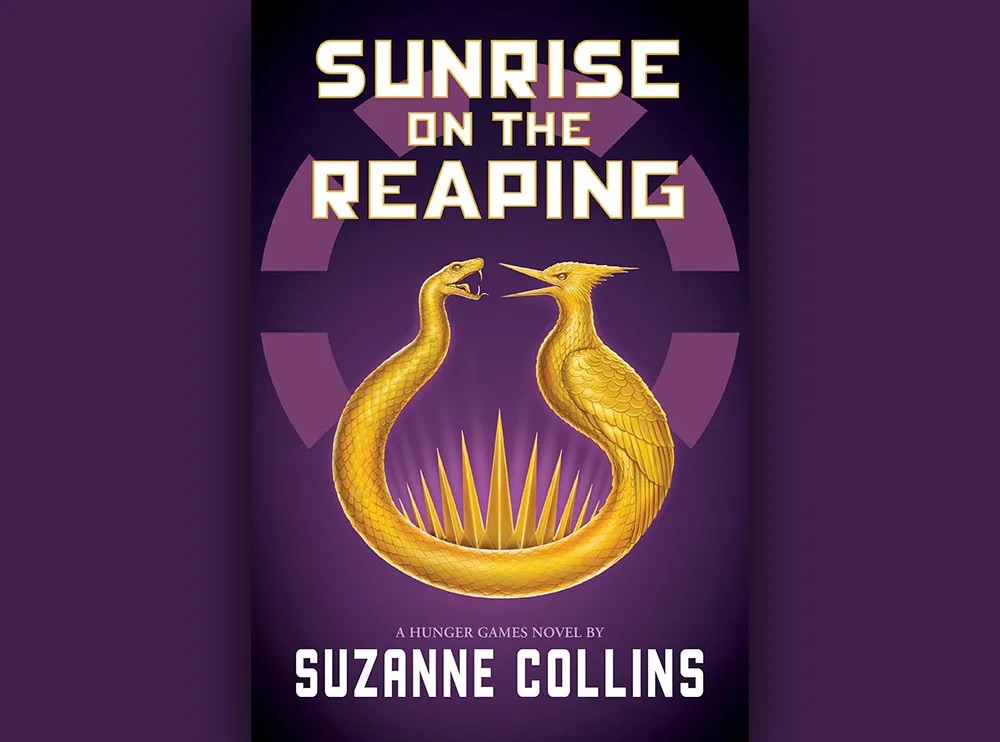
Going into the novel, readers know that Haymitch is going to win the Hunger Games– which comes from simply understanding how books work– and any knowledge of the later series lends the knowledge that things won’t end well for his loved ones, either. If you are not already familiar with the premise of the Hunger Games, then I actually do not know what to tell you, aside from that you should go read the books. And also watch the movies because they are genuinely phenomenal, even if they cut out some important details.
My thoughts on this story are nothing insanely unique, if you have engaged at all in the online discourse of this recent release, but I still want to share some of my own, which I have arrived at after reading the book and watching a few video essays about its material, as well. I will try not to spoil anything, at least not more than someone who has read the books would already be spoiled going into the book, but I make no guarantees.
Starting off strong, we learn that Haymitch’s birthday is on Reaping Day– which I don’t think we ever necessarily knew was on the same day each year before, and we definitely did not know the date: July 4th. Thanks, Suzanne, for reminding us at every turn who this society is based on! So, this makes Haymitch a Cancer and the unluckiest son of a gun in District 12.
We get to know his Ma and little brother, Sid, who both feel all too real, but the character that stands out most from this time, for me, is Lenore Dove. Now, I have yet to finish The Ballad of Songbirds and Snakes, but I absolutely adored Rachel Zegler as Lucy Gray in the movie, and despite my best efforts, Lenore Dove won my heart. Whether it was being named for a ballad by Edgar Allan Poe or the “red tint” to her hair– which people online take way too seriously, and Whitney Peak will be the perfect Lenore Dove, in my book– I grew attached to the girl, with her geese and rebellious spirit.
This book being about propaganda works on many layers, because readers are given the same amount of information in the trilogy as the citizens have after his Games end. We knew he had allegedly made the Capitol look stupid by using the arena’s forcefield. We also naturally assumed that Haymitch had a strong presentation, given the way we saw him coach Katniss and Peeta to lean into their own stories and characters during their appearances to the Capitol, but we knew little about it.
Propaganda writes and rewrites narratives, in things as goofy as reality television shows like “Say Yes to the Dress,” which seems to have an antagonist every episode, to actual war– as Collins illustrates with her novels. And President Snow rewrote Haymitch’s Games to only include the parts that had little to no emotional resonance– taking him from the lovable rascal that he truly is, and that he intended to portray himself as, to a selfish jerk. The worst part was, it was pretty easy for Snow, and no one would ever question it.
Throughout the book, Haymitch is certain he will die, and is prepared to go out in a blaze of glory, protecting one of his many, many allies in the Games. Haymitch is a lot like Katniss, if she had been an active part of the rebellion from the beginning, or if she had worse luck– and reading that alternate world, which is Haymitch’s reality, hurts. Knowing where Haymitch’s life is at when Prim’s name is pulled from the bowl and Katniss volunteers only makes it worse– especially knowing his drunken haze is infused with ravens and red gumdrops, and probably squirrels and blue butterflies.
There are many good reasons why this series is a best-seller, and not all of them relate to Collins’s on the nose references to our modern society. She also possesses the ability to craft prose that are poignant– a power she can pull out at any point, both for better and for worse.
So, should you read this book? Yes, if you like dystopias or general emotional damage. Will you cry? Probably. Did I cry? Well, not while actively reading it, but– I’ve definitely shed a few tears over it. That is thanks to both Edgar Allan Poe and Suzanne Edwards, which makes sense if you’ve read this book all the way through. The ending is beautifully brutal.
 Britin Frazey
Leave a comment